
 then 'Add to home screen'
 then 'Add to home screen'


These days, customers are looking for faster, more efficient ways to interact with businesses. The adoption of self-service technology is increasing, as it allows customers to take control of their experiences, interact at their own pace, and save time.
The Growing Demand for Self-Service
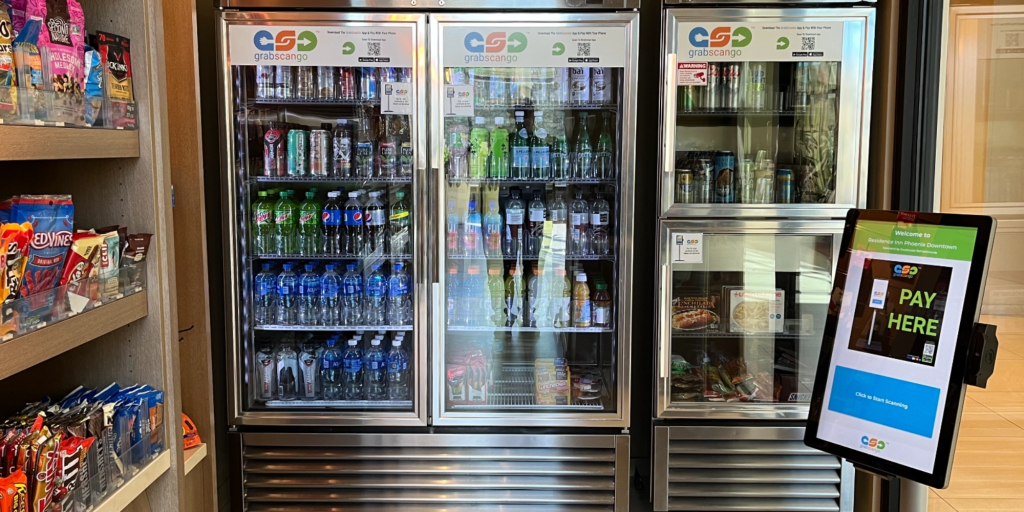
The demand for self-service technology is on the rise. According to an IBM study in 2022, 71 percent of consumers use or would like to use self-checkout, and 26 percent want more options for self-service (such as touchscreen monitors and self-checkout kiosks).
With the strong demand for self-service technology, implementing it is no longer a luxury; it is a necessity.
Self-Service across Industries
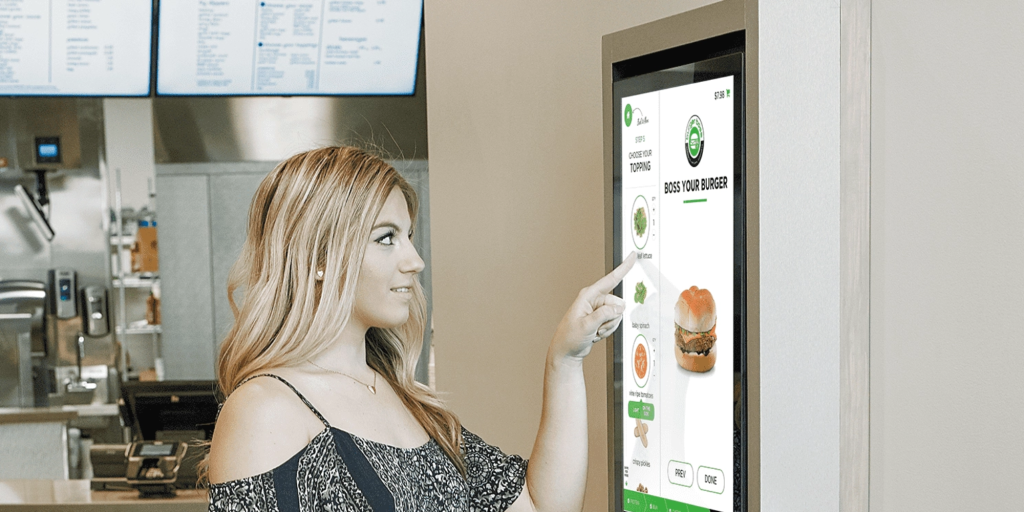
To stay competitive, businesses must invest in technology that meets the self-service demand. Here are 5 industries that can benefit the most from using self-service technology:
- Quick Service Restaurants (QSR)
QSRs can use self-service technology to improve customer experience and streamline operations. Customers can order and pay for their meals using point of sale (POS) solutions, interactive kiosks, or mobile devices. This reduces wait times and allows staff to focus on food preparation and customer service.
- Hotels
Hotel guests are increasingly expecting self-service technology to streamline their check-in and check-out experiences. Kiosks can handle the entire process, from finding reservations to confirming the payment method. With these self-service kiosks, guests can even upgrade their rooms or order services like airport limos or spa treatments.
- Transportation
Self-service ticketing and cashless transactions are becoming more common at railway, bus, and metro stations. These solutions eliminate the need for commuters to interact with employees to purchase tickets. Commuters can also use self-service technology to get refunds and change tickets.
- Retail
Retailers can use self-service technology to enhance the in-store experience. Interactive digital signage and kiosks allow customers to check product availability, access product information, claim discounts, and manage their loyalty rewards. This technology helps retailers provide a seamless and personalized shopping experience.
- E-commerce
Using self-service technology for product returns can enhance the e-commerce customer experience. By using return kiosks, customers can return items quickly and easily without any assistance from staff. Customers can also use these kiosks to request an exchange of items and notify staff.
Benefits of Self-Service Solutions
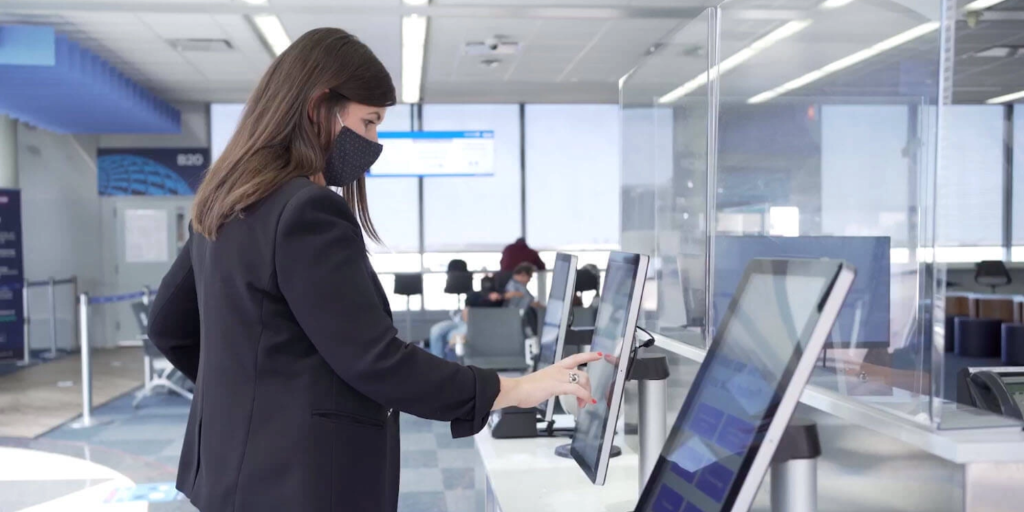
Regardless of the industry, self-service solutions offer several benefits, including:
- Increased Operational Efficiency
Self-service solutions streamline in-store operations, reduce wait times, and empower staff to prioritize high-value tasks. This can lead to more effective operations and improved customer experiences.
- Reduced Labor Cost
Self-service solutions can help businesses optimize staff allocation, minimize overtime, and enhance customer experience. This will lead to increased loyalty and revenue growth.
- Reduced Customer Friction
Self-service empowers customers by allowing them to control their experiences, interact at their own pace, and save time.
Providing Self-Service Experience using Technologies from Elo Touch
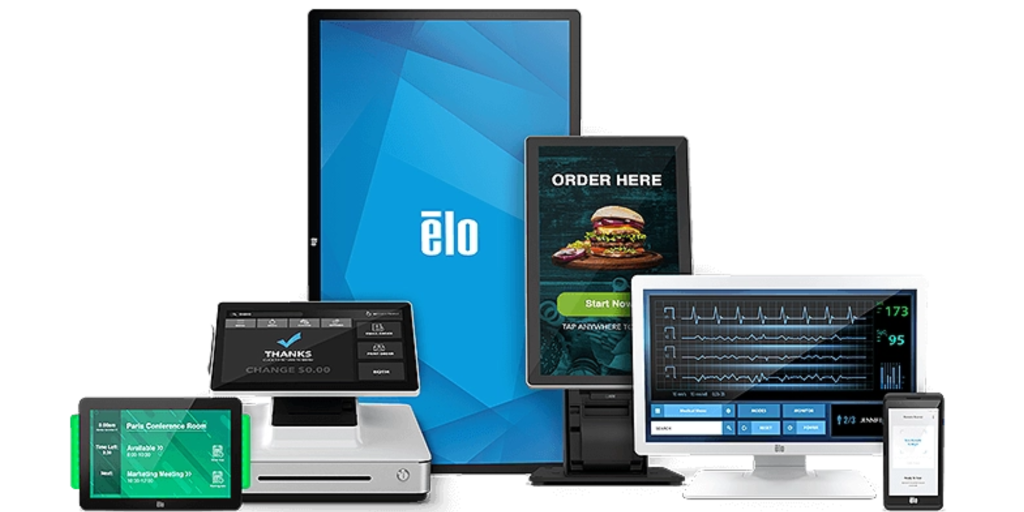
To meet the growing demand for self-service experience, businesses must embrace interactive technologies and self-service solutions. Consider implementing self-service kiosks and solutions from Elo Touch. With a wide range of options for touch technologies, Elo Touch can help businesses empower customers and streamline operations.
As the Exclusive Distributor of Elo Touch, PT Murni Solusindo Nusantara can help you get started. Contact us or click here to find out more about Elo Touch.